Insights
Insights

Is it time to re-think how setting is approached in heritage?
The extent of the setting of a heritage asset is often nuanced and occasionally contested. It has no fixed boundary and can include key views, historic approaches, as well as functional and historic relationships. Even when potential impacts through a change to setting have been clearly articulated and supported by detailed evidence, officers may take a different view.
The extent of the setting of a heritage asset is often nuanced and occasionally contested. It has no fixed boundary and can include key views, historic approaches, as well as functional and historic relationships. Even when potential impacts through a change to setting have been clearly articulated and supported by detailed evidence, officers may take a different view.

New NPPF 2026: A Framework for Growth
Much of the discussion surrounding the new National Planning Policy Framework (NPPF) has focused on housing delivery and Grey Belt land. Whilst both are important, they arguably overlook a wider message running throughout the revised framework. Put simply, the Government wants the planning system to play a more active role in supporting growth, investment and development.
Much of the discussion surrounding the new National Planning Policy Framework (NPPF) has focused on housing delivery and Grey Belt land. Whilst both are important, they arguably overlook a wider message running throughout the revised framework. Put simply, the Government wants the planning system to play a more active role in supporting growth, investment and development.

The rise of ‘Impact Assessments’
You’ll have been hard-pushed not to have come across a Health Impact Assessment (HIA) yet if you’re involved in the delivery of larger-scale housing projects. Increasingly, however, we’re seeing more nuanced variations of impact reporting being sought by Local Planning Authorities, and from the outset these can look like another validation trip-up waiting to happen: another form, another report, another assessment to add to the list.
You’ll have been hard-pushed not to have come across a Health Impact Assessment (HIA) yet if you’re involved in the delivery of larger-scale housing projects. Increasingly, however, we’re seeing more nuanced variations of impact reporting being sought by Local Planning Authorities, and from the outset these can look like another validation trip-up waiting to happen: another form, another report, another assessment to add to the list.

London Calling
At a time when housing delivery has fallen well below both identified need and previous London Plan targets, the Mayor has rightly placed growth, housing and delivery at the centre of the new strategy. However, while the Government's standard method identifies a requirement for around 880,000 homes over a ten-year period, the Draft London Plan proposes a target of 558,000 homes. This shortfall raises the question of whether the draft Plan is sufficiently ambitious, and what this means for the Standard Method, a matter that is likely to dominate the consultation process.
At a time when housing delivery has fallen well below both identified need and previous London Plan targets, the Mayor has rightly placed growth, housing and delivery at the centre of the new strategy. However, while the Government's standard method identifies a requirement for around 880,000 homes over a ten-year period, the Draft London Plan proposes a target of 558,000 homes. This shortfall raises the question of whether the draft Plan is sufficiently ambitious, and what this means for the Standard Method, a matter that is likely to dominate the consultation process.
Stability at MHCLG
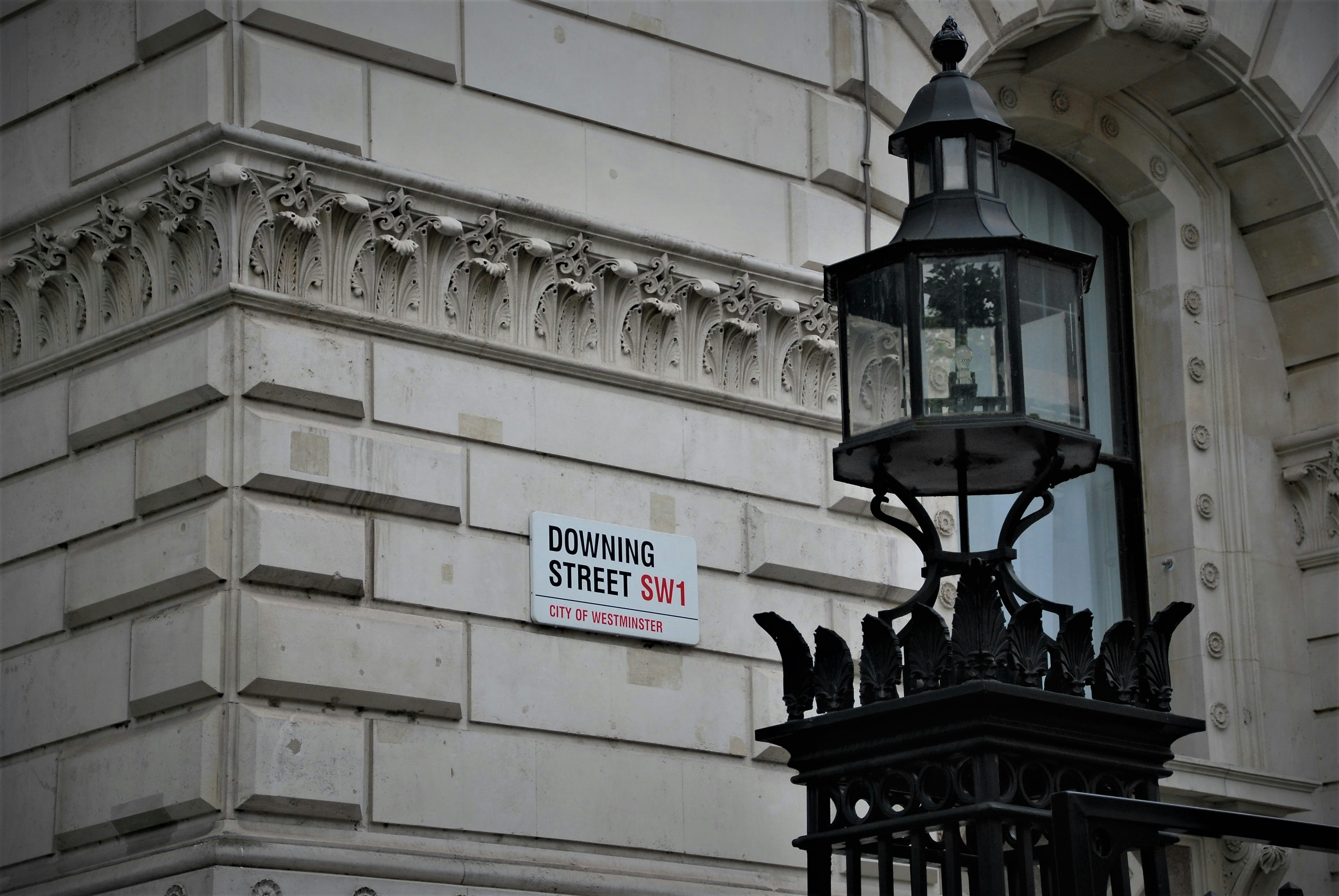
Continuity and stability, not words that have become synonymous with MHCLG, but ones that today will be uttered by many in the development sector. At last.
Continuity and stability, not words that have become synonymous with MHCLG, but ones that today will be uttered by many in the development sector. At last.

The Benefits of the New NPPF for SME Developers: Unlocking Opportunity Through Medium Sites and Flexible Affordable Housing Delivery
The publication of the eagerly awaited new National Planning Policy Framework (NPPF) this summer will represent one of the most significant shifts in England's planning landscape in recent years, and its implications for SME housebuilders look to be particularly energising.
The publication of the eagerly awaited new National Planning Policy Framework (NPPF) this summer will represent one of the most significant shifts in England's planning landscape in recent years, and its implications for SME housebuilders look to be particularly energising.

After the Ballots: What Changes for Planning?
We can all agree that the local election results were a disaster for Keir Starmer and his Labour Party. A key message was sent to Number 10, the ramifications of which are likely to continue to spiral over the coming weeks. But what are the ramifications for the planning and development world, and more generically local democracy?
We can all agree that the local election results were a disaster for Keir Starmer and his Labour Party. A key message was sent to Number 10, the ramifications of which are likely to continue to spiral over the coming weeks. But what are the ramifications for the planning and development world, and more generically local democracy?

From Policy to Practice: How Grey Belt Is Shaping Planning Decisions
Grey Belt has emerged as one of the most influential and debated planning policy concepts since its introduction in the December 2024 update to the NPPF. Early analysis of appeal outcomes indicates a marked shift in decision-making, with around 80% of major residential grey belt appeals having been allowed since the policy came into force. The statistics demonstrate that grey belt provides a practical route to unlocking development, and is having its desired effect, from a decision-making perspective at least.
Grey Belt has emerged as one of the most influential and debated planning policy concepts since its introduction in the December 2024 update to the NPPF. Early analysis of appeal outcomes indicates a marked shift in decision-making, with around 80% of major residential grey belt appeals having been allowed since the policy came into force. The statistics demonstrate that grey belt provides a practical route to unlocking development, and is having its desired effect, from a decision-making perspective at least.

Heritage in the Draft NPPF: A More Plan-Led and Positive Approach
The Draft NPPF (Dec 2025) represents one of the most significant refreshes of national heritage policy in over a decade.
The Draft NPPF (Dec 2025) represents one of the most significant refreshes of national heritage policy in over a decade.